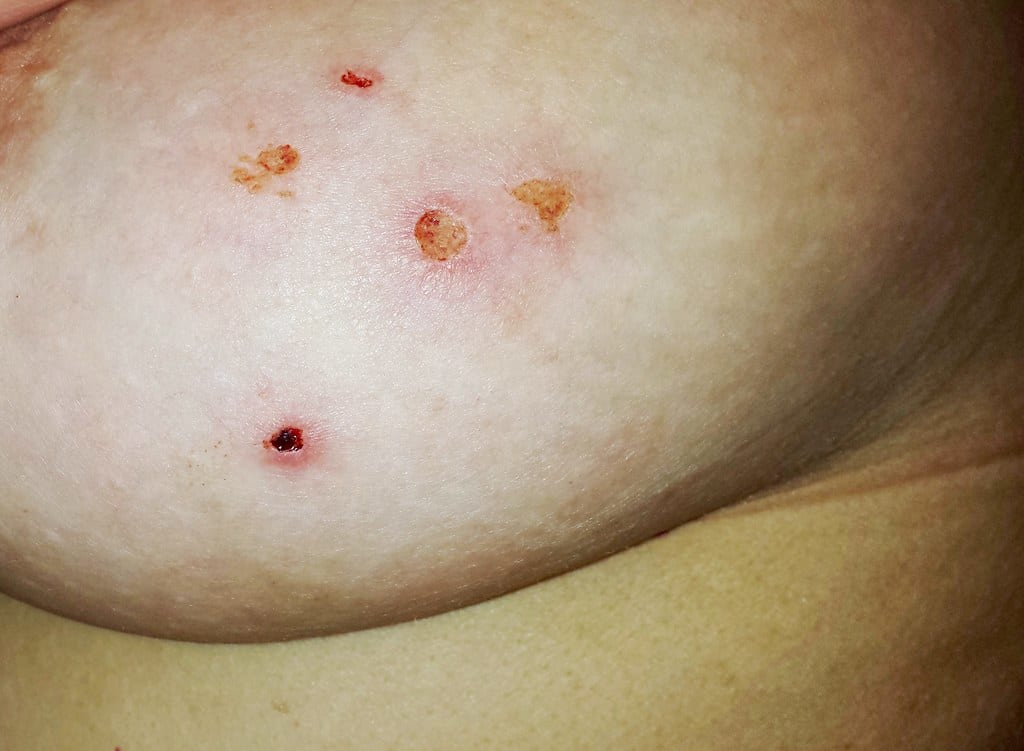
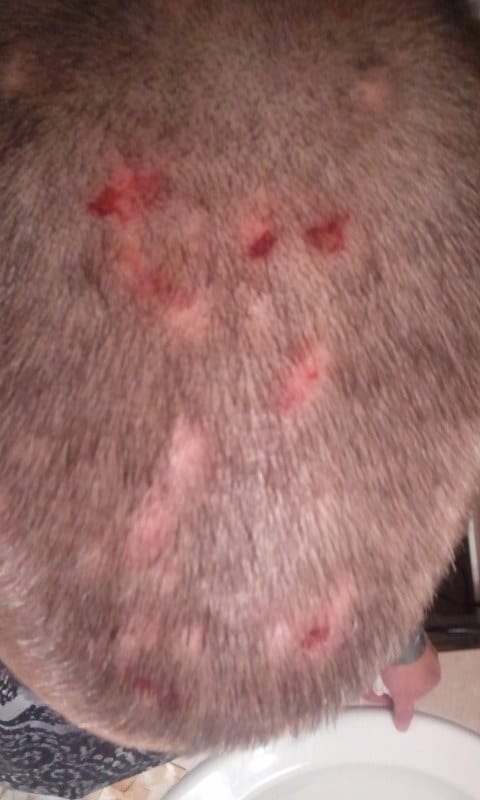
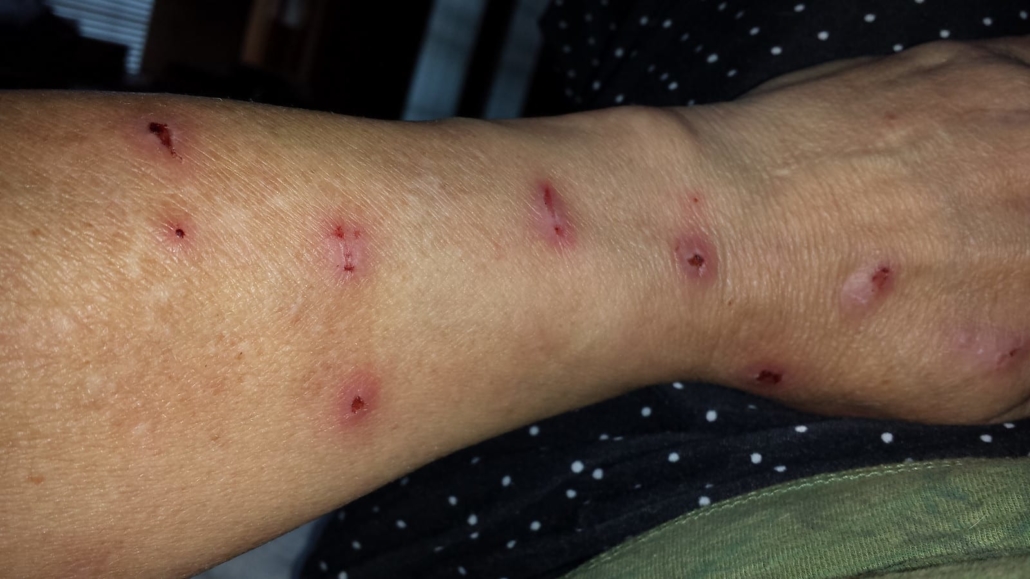
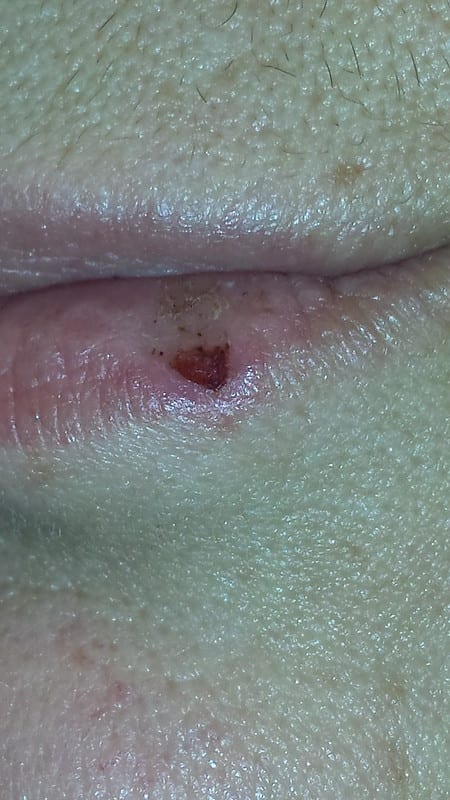
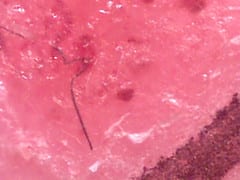
Morgellons Disease is a multi-system condition characterized by novel skin manifestations and insidious neurological and other systemic symptoms.

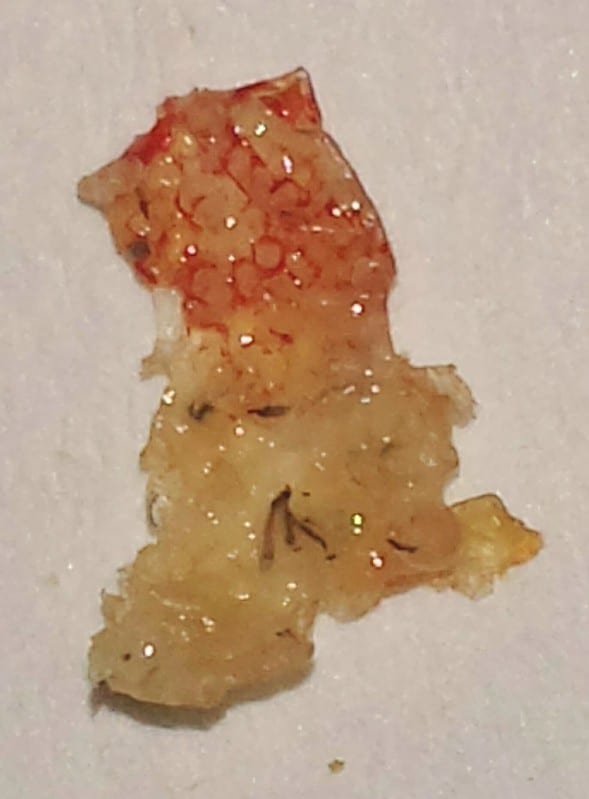
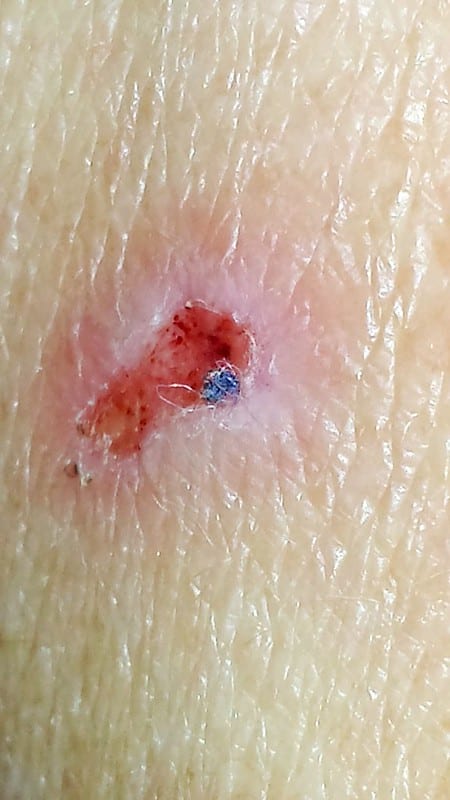
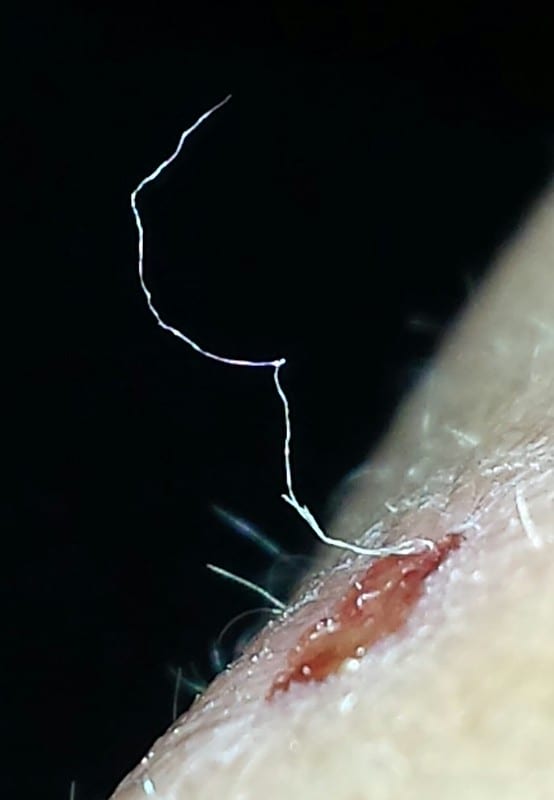
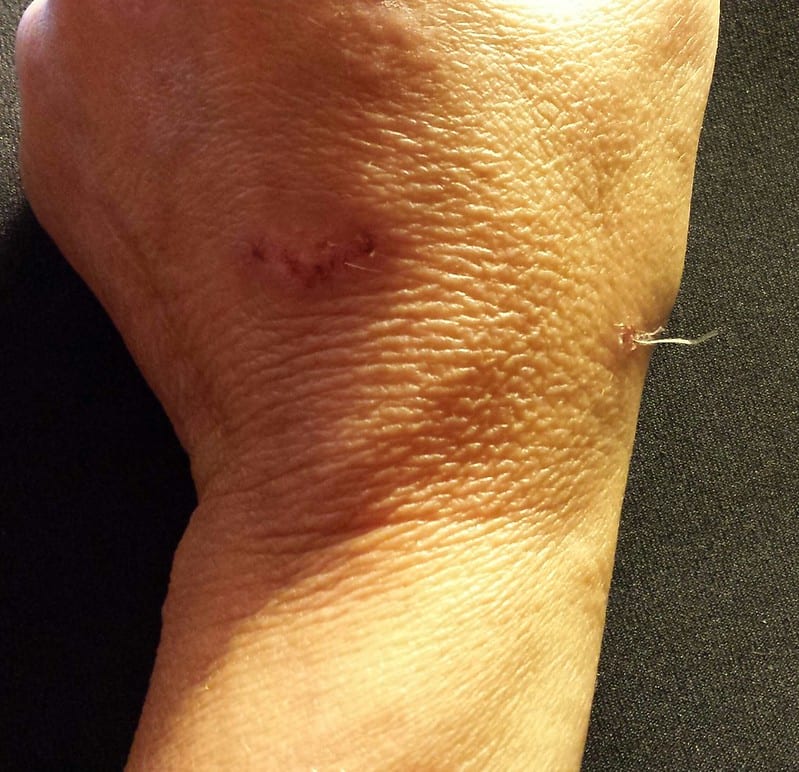
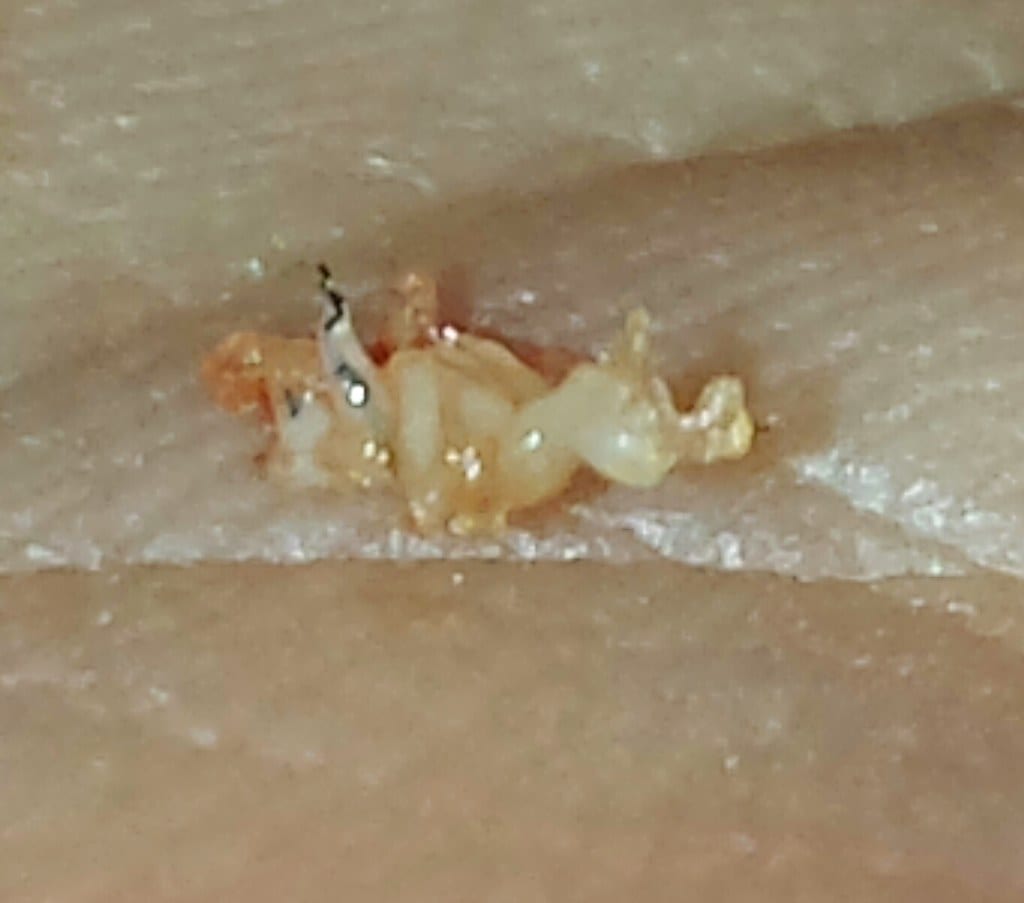
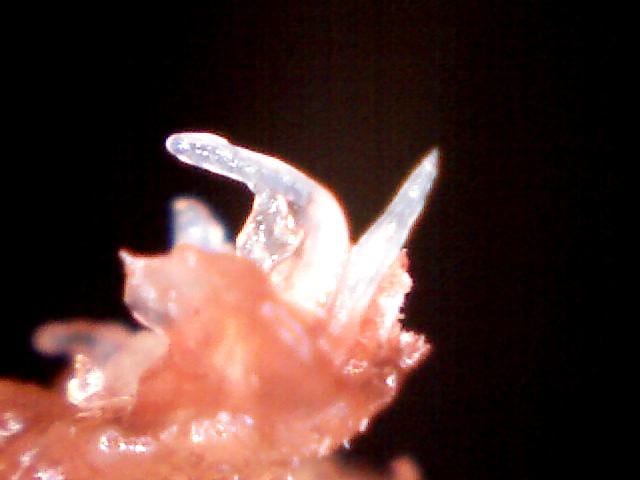
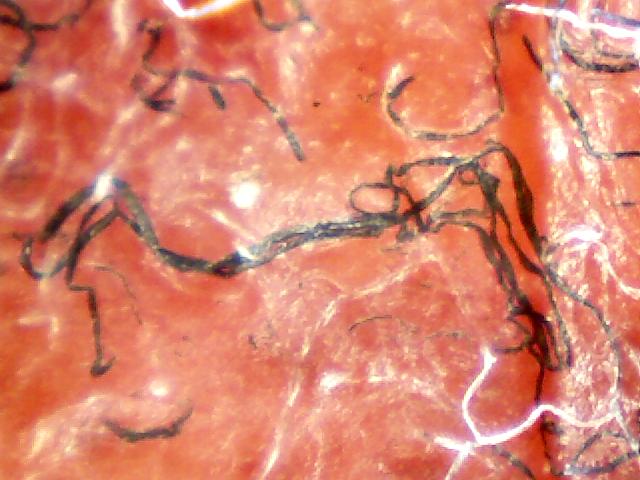
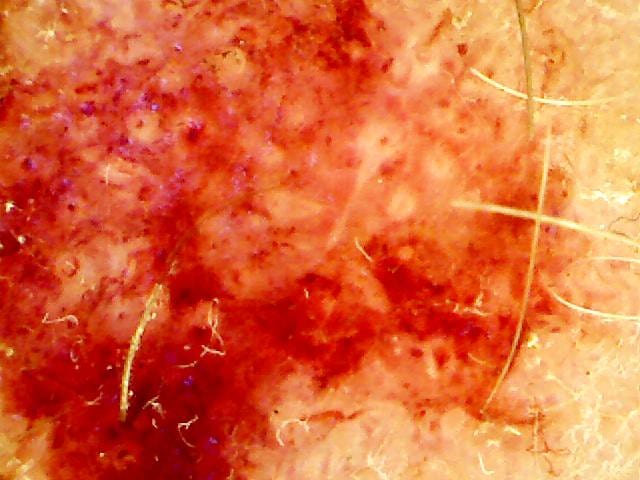
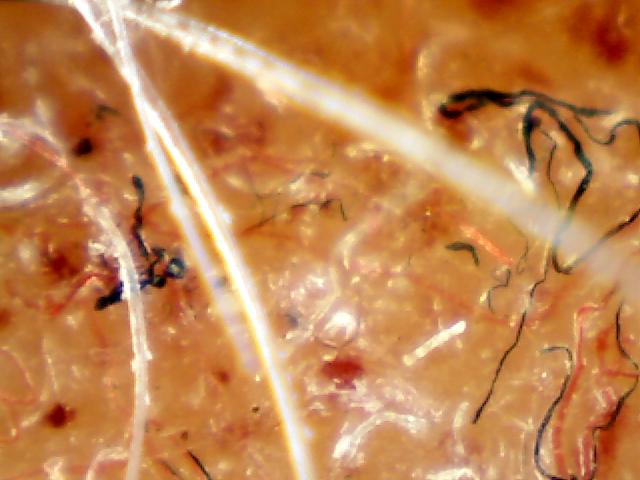
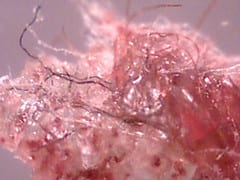
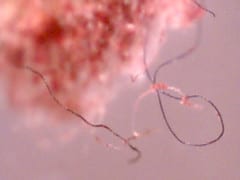
The distinguishing characteristic of Morgellons is the presence of microscopic subcutaneous fibers. Lighted microscopy (60x) enables the visualization of these unusual fibers, often colored red, blue, white or clear, embedded in open skin lesions as well as their presence beneath completely intact skin. Research has determined that the filaments and shed materials are products of epithelial cells and are composed of collagen and keratin.

… Morgellons Disease is a multi-symptom disease that is just now starting to be researched and understood. Morgellons has a real physical pathology despite of the fact that the exact cause is not known.

RANDY S. WYMORE, PhD

… Morgellons Disease is an emerging multisystem illness characterized by the presence of filamentous fibers of undetermined composition, both in lesions and subdermal. The etiology of Morgellons disease is unknown.

MARIANNE J. MIDDELVEEN, MDes
& RAPHAEL B. STRICKER, MD

… Morgellons patients looked ill with neurological symptoms, which included confusion, difficulty walking and controlling their feet (foot drop), and a sagging mouth when speaking…

RHONDA CASEY, DO

… disease of unknown pathology characterized by sensations of crawling, biting and stinging, disfiguring lesions and unusual fibers coming out of the skin, usually, quickly dismissed by physicians as DOP (Delusions of Parasitosis)…

GINGER SAVELY, DNP

What is Morgellons?

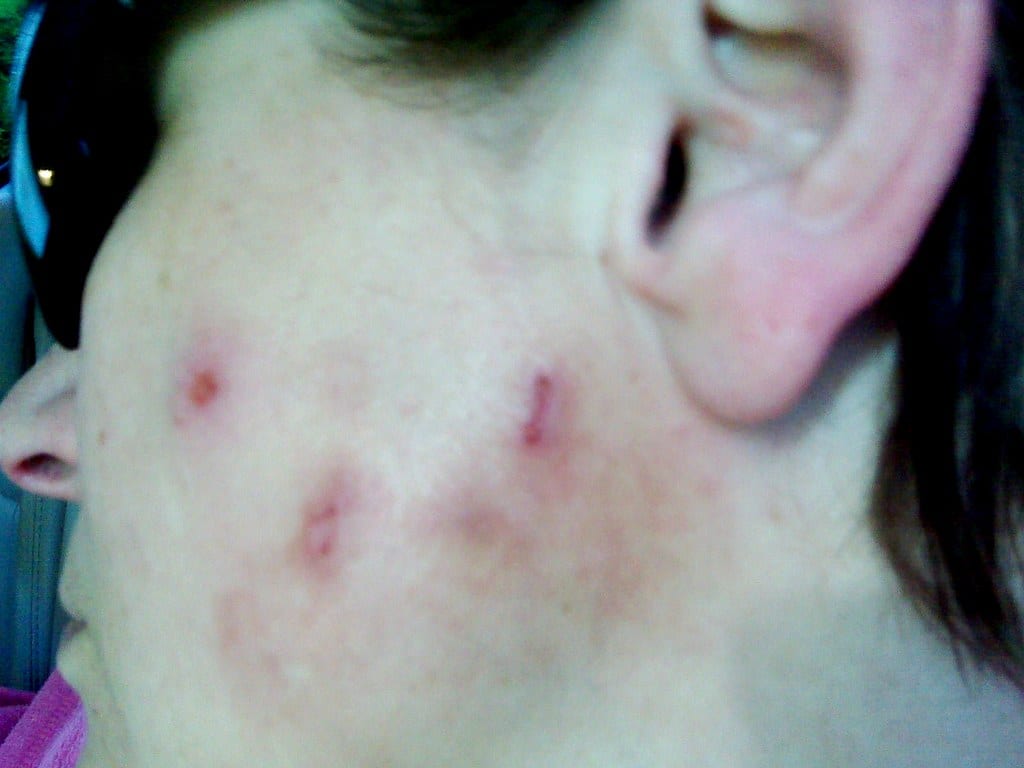
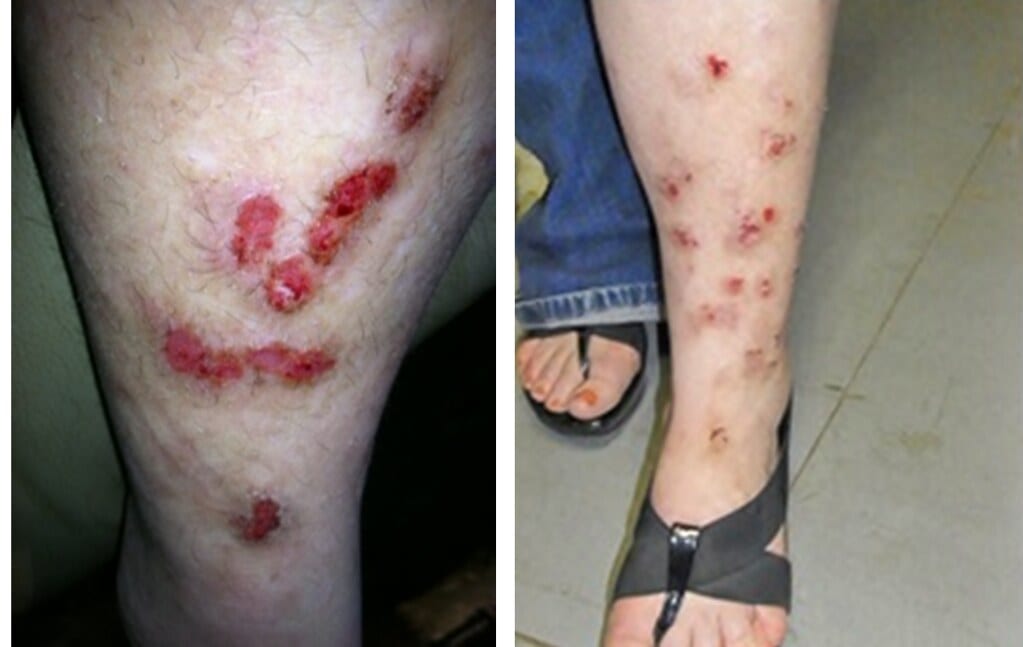
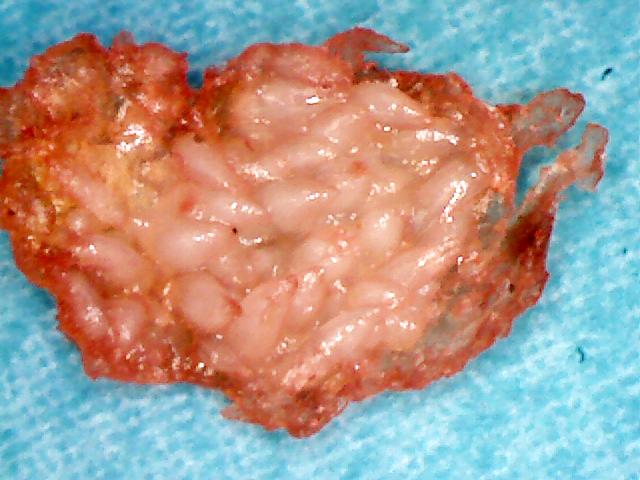
Morgellons Disease (MD) is a multi-system illness uniquely characterized by the formation of unusual fibers within the skin. MD is a debilitating, painful and life impacting condition consisting of slow-healing skin lesions, overwhelming fatigue, GI disturbances and an array of neurological deficits. Patients with Morgellons may shed unusual appearing particles from the skin described as fibers, sand or seed-like, black specks, or crystalized particles.

The distinguishing characteristic of Morgellons Disease (MD) is the presence of microscopic subcutaneous fibers sometimes referred to as filaments within the skin. Lighted microscopy (60-x minimum) enables the visualization of these unusual fibers, often-colored red, blue, black, white or clear, embedded in open skin lesions as well as their presence beneath intact skin.

Patients and physicians often misinterpret Morgellons symptoms as being parasitic in origin but researchers concur that no parasites are involved with the etiology of Morgellons. It has also been determined that there are no fungal components to the etiology of Morgellons.

Borrelia, a spirochetal bacterium, has been detected in all Morgellons study subjects so far. Borrelia is detected by multiple methods in abundance within Morgellons skin lesions including culture. Other bacteria commonly found in some but not all Morgellons skin lesions include H. pylori, Bartonella and Treponema denticola.

Research has determined that the filaments and shed materials are products of epithelial cells and are composed of collagen and keratin. Filaments can often be visualized stemming directly from cells and a retained nucleus can often be visualized at the base of the filament. The coloring of the filaments is not well understood but research has shown that the blue filaments contain granules of melanin.


Signs & Symptoms Include

  • Intense itching*
  • Crawling sensations under the skin
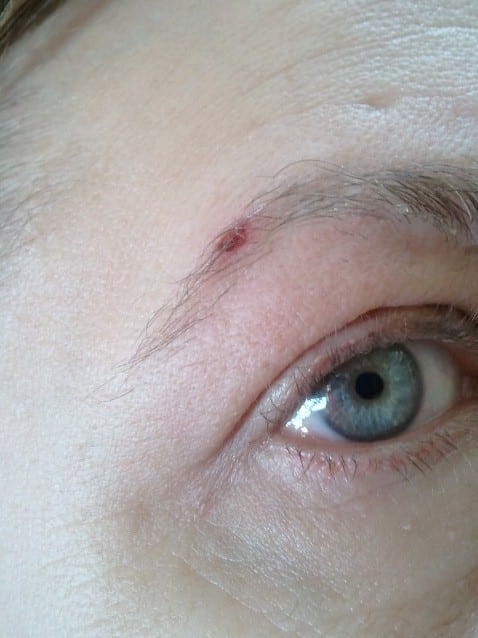
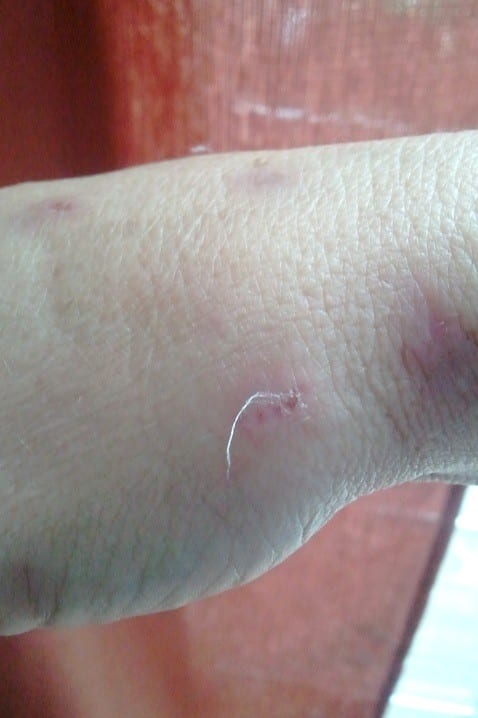
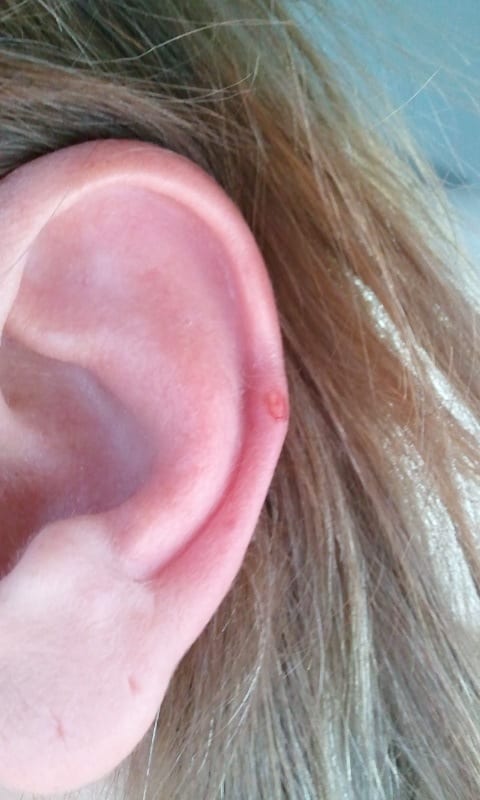
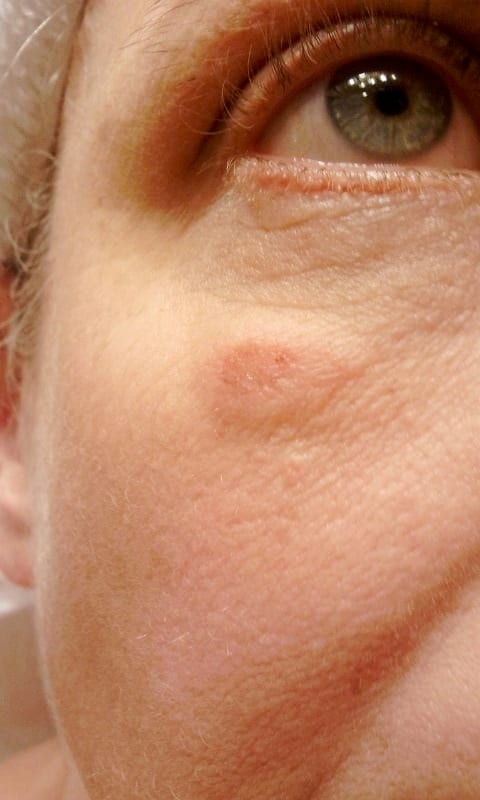
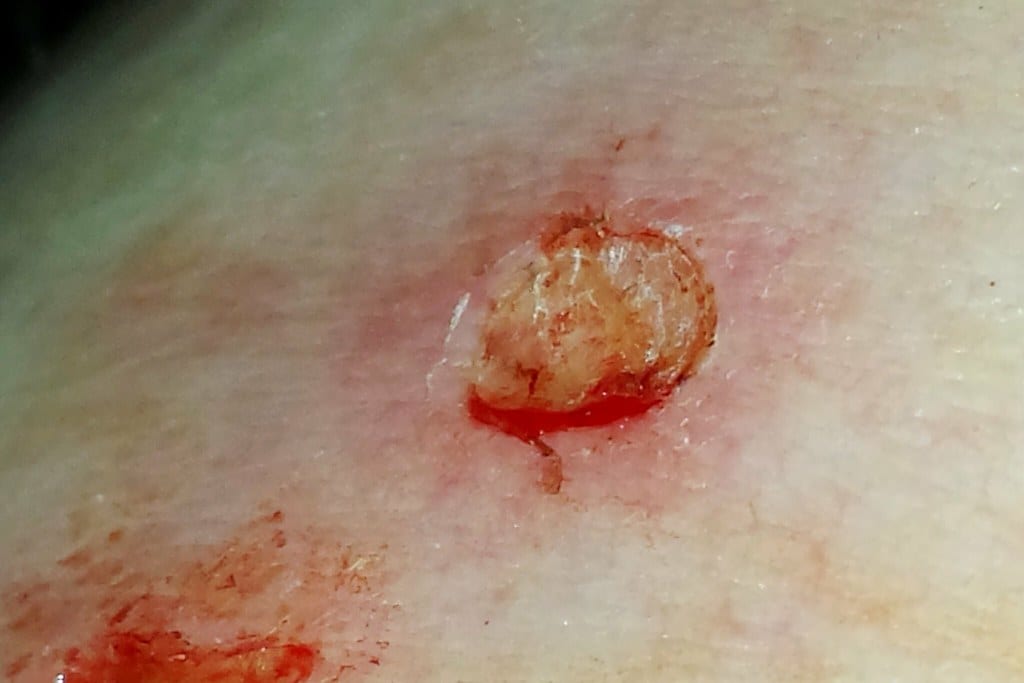
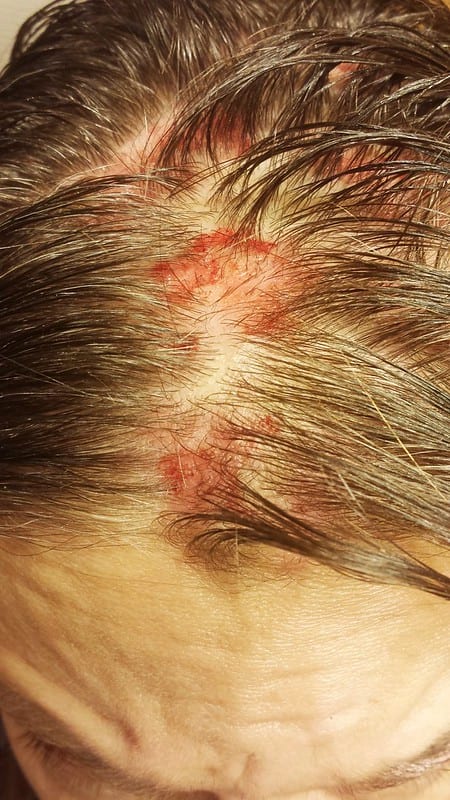
  • Spontaneously–appearing, slow-healing lesions*
  • Seed-like objects/ granules and black specks on/in skin
  • “Fuzz balls” on/in intact skin
  • Fine, thread like colored fibers beneath and/or extruding from the skin
  • Life altering fatigue
  • Neurological impairment
  • Visual and hearing changes
  • Brain fog and diminished higher cognitive abilities
  • Hair loss
  • GI changes
  • Muscle aches and joint pain
  • General malaise; intense, life-impacting pain
  • Dental deterioration
  • Sleep disturbances
  • Psychiatric manifestations can include anxiety, depression, new onset of panic attacks, changes in behavior and personality. Some patients have been diagnosed with OCD, bipolar disorder and even delusional disorders can result if left untreated.

    *It is important to note that some patients have no lesions, but do have visible fibers within or protruding from unbroken skin when seen with a lighted, handheld microscope at 60x – 100x. Some patients do not experience the intense itching.

The Charles E. Holman Foundation

PO Box 1109
Lone Star, TX
75668

events@thecehf.org

Neither the Charles E. Holman Foundation nor the individuals associated with it make any warranties or guarantees about any medical advice or treatment suggestions posted on this web site. This includes no guarantees about treatment effectiveness, long term or short term outcome, safety, or potential side effects. The choice to use any treatments posted on the web site is strictly left to the individual. The CEHF officially recommends you consult with your health care professional before using any medication or treatment, as only you and your medical care provider know your own unique and individual medical issues. While all treatment suggestions posted are reviewed by licensed medical personnel associated with the CEHF, the decision by an individual to use the information posted in their own treatment does not constitute the establishment of a doctor-patient relationship nor a contractual or professional arrangement of any sort.

© Copyright – Charles E. Holman Foundation